Submitted by Victoria Hume on 15 January, 2018 - 12:04
Rising sea levels require new styles of oceanic research that speak to environmental and decolonial themes. Much oceanic research focuses on the surface of the ocean, tracing movements of people, ideas and objects. An oceanic humanities equal to the present must engage with both human and non-human aspects of the ocean, with the depth and the surface. Such a project must also decolonize the histories of oceanic space, providing new approaches to aesthetic understandings of water.
Submitted by WiSER Admin on 21 February, 2020 - 10:05
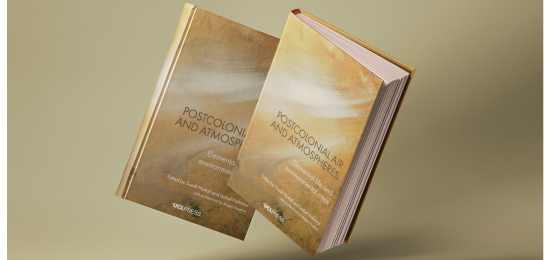
Congradulations to Jonathan Cane, WiSER Oceanic Humanities Postdoctoral fellow. Jonathan Cane wrote the bookwhile he was based at the Wits City Institute.
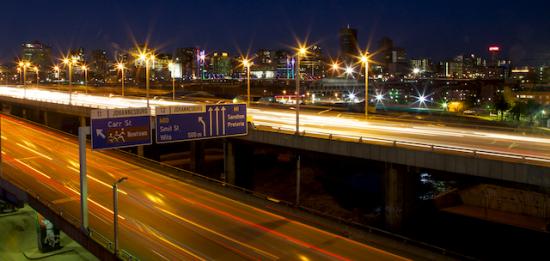
Novels make worlds. They create an intuitive sense and mental image of a place. And the senses of space produced by fiction shape how readers see the world itself, just like maps do.
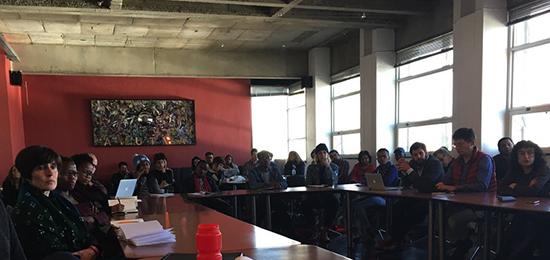
The NRF SANAP project, ‘Antarctica, Africa and the Arts’, hosted a workshop from 23 to 25 May at Cape Agulhas National Park, with a focus on Africa’s relationship to its south-facing coastlines from the perspective of the arts and humanities. The workshop brought scholars from a wide range of academic disciplines together with creative practitioners, with the aim of navigating what it means to think Antarctica from Africa during the era of climate change.
Submitted by WiSER Admin on 17 March, 2023 - 08:09
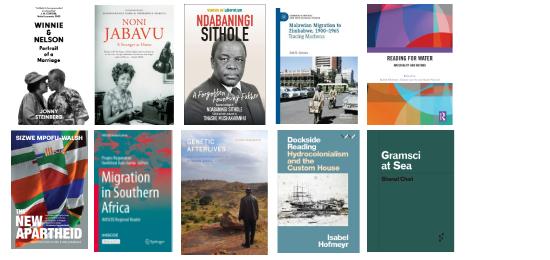
Congratulations to WiSER's Prof. Isabel Hofmeyr for being AWARDED Best Non-Fiction: Monograph for Dockside Reading: Hydrocolonialism and the Custom House #HSSAward2023

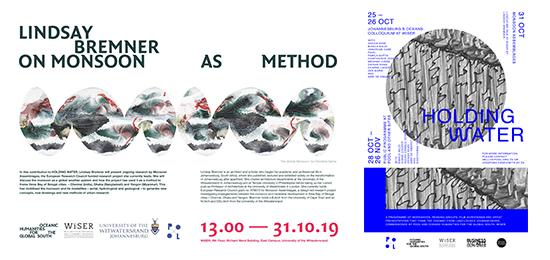



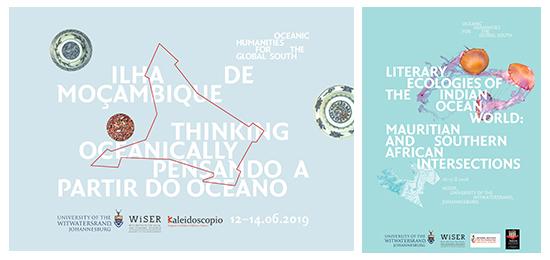
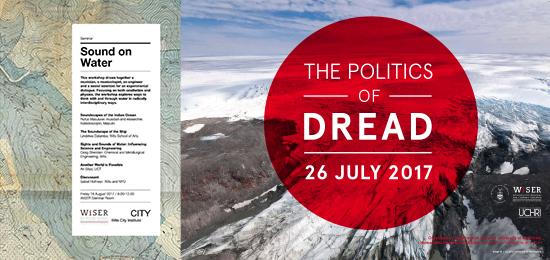





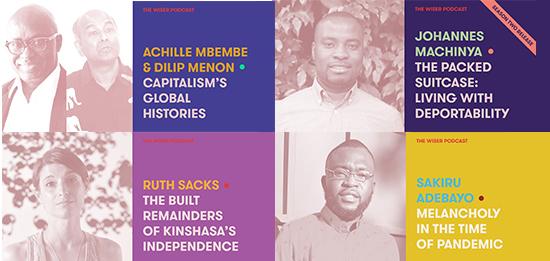
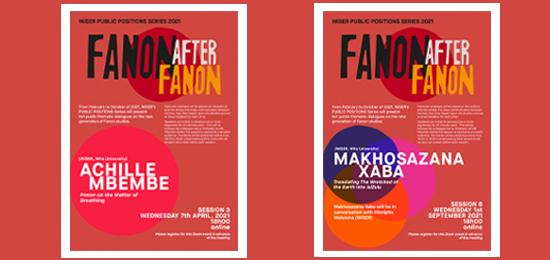
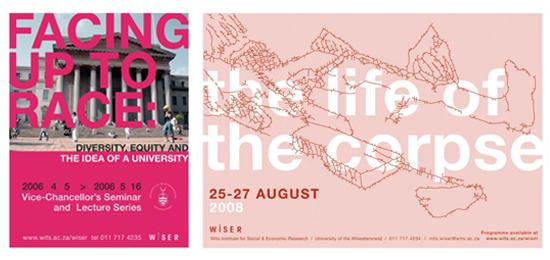


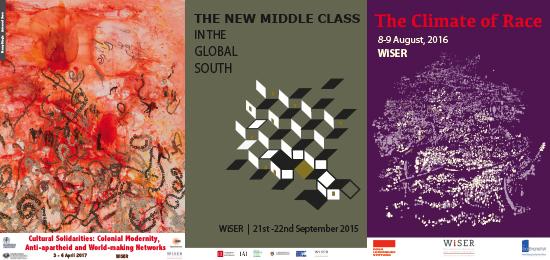





 Additional programme can be found
 Congradulations to Jonathan Cane, WiSER Oceanic Humanities Postdoctoral fellow. Jonathan Cane wrote the bookwhile he was based at the Wits City Institute.
